
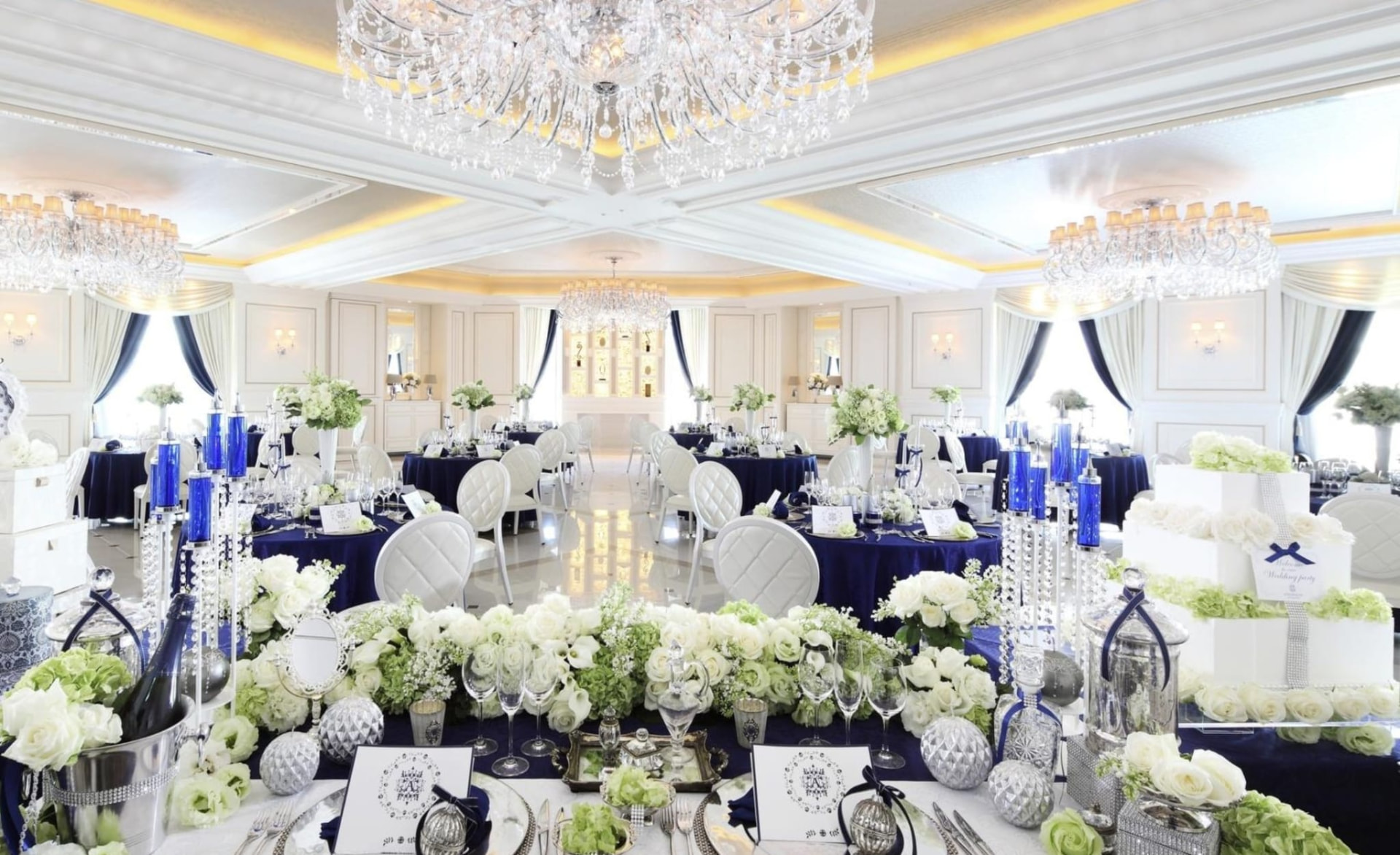
Start with the purpose, not the particulars
A useful event plan begins with what the occasion needs to achieve. You may be bringing colleagues together, welcoming customers, marking a personal milestone or hosting guests on behalf of a venue. Understanding that purpose helps shape the format, the timing and where effort should be focused. Tell us who is attending, what matters most and which decisions have already been made. You do not need a finished specification to start a conversation.
A budget is part of that brief rather than a separate discussion at the end. Sharing an approximate range, or explaining that you are still establishing one, makes it easier to identify priorities. Venue costs, catering, staffing and supplier requirements should be considered together so that decisions in one area do not create unexpected pressure elsewhere.
Bring the details into one working plan
Event management connects the requirements that can otherwise sit in separate conversations. Discuss venue liaison, supplier coordination, a running order, catering timings and the organisation of guest-facing support. The appropriate scope depends on what your venue and existing suppliers already provide. We can talk through where coordination would be useful and where you prefer to retain direct responsibility.
A working schedule should allow time for access, preparation, guest arrival, service and clearing down. It also needs to identify who is responsible for each activity and who can make decisions on the day. Having a shared point of reference helps suppliers understand the wider programme rather than only their own delivery window.
Plan from the guest’s point of view
Consider the journey from the invitation to the final departure. Arrival instructions, a clear welcome, comfortable movement through the venue and food served at an appropriate moment all contribute to the experience. Share known accessibility needs and the venue’s arrangements early so they can be included in the conversation. If guests will move between spaces, explain the route and timing.
Attention to the brief also means deciding what should stay flexible. Guest numbers can change, speakers can need different timings and a venue may have specific restrictions. We can discuss how decisions will be communicated, what information needs confirming and which changes require an agreed adjustment to the scope. This is planning support, not a promise that every circumstance can be controlled.
From the initial conversation to event-day coordination
First, share your occasion, preferred date, location and estimated attendance. We then discuss the support required and any existing arrangements. Once the scope is understood, responsibilities and practical details can be agreed before coordination of delivery. The exact arrangements will depend on your event; an enquiry does not commit you to a particular package.
If food or guest-facing staff form part of the plan, explore our catering and event staffing services. Corporate organisers can also read our corporate events page for agenda-specific considerations. We work across Birmingham, the West Midlands and London, with suitability and availability discussed for each brief.
Good to know.
Can I enquire before choosing a venue?
Yes. Share the intended area, event format, guest estimate and what you need from a venue. Any location-dependent arrangements will need confirming once the venue is known.
Can you support only part of my event?
Discuss the element you need help with, such as coordination, catering or staffing. The scope and responsibility boundaries can then be agreed.
What should I include in my first enquiry?
Include the occasion, objectives, date or date range, location, approximate guest numbers and the support you have in mind.
Does an enquiry confirm my event booking?
No. Availability, scope and arrangements need to be discussed and agreed before any commitment.
How are other suppliers involved?
Tell us which suppliers are already appointed and who currently coordinates them. We can discuss the liaison and schedule support appropriate to your brief.